
Sale!
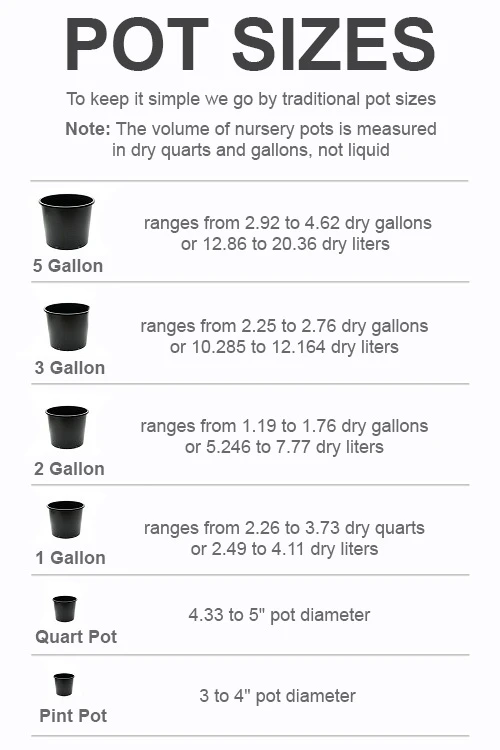
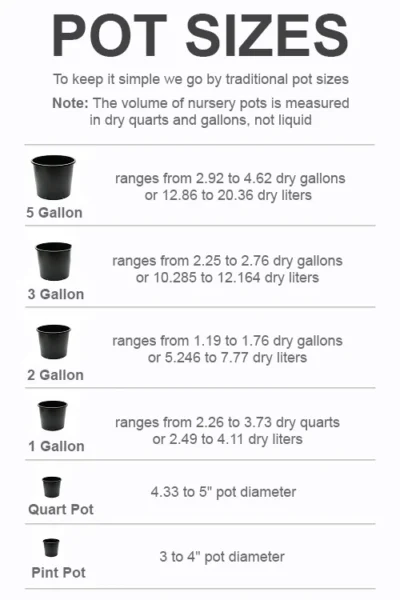
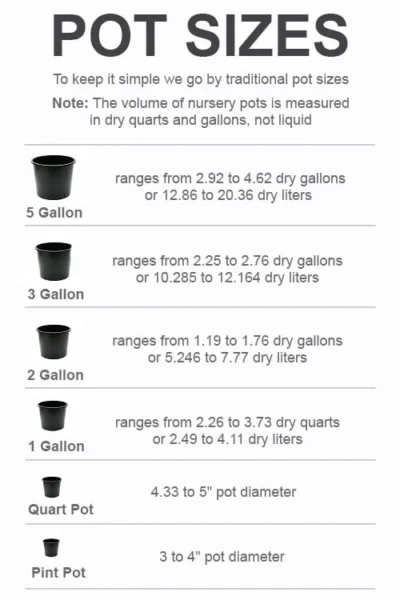
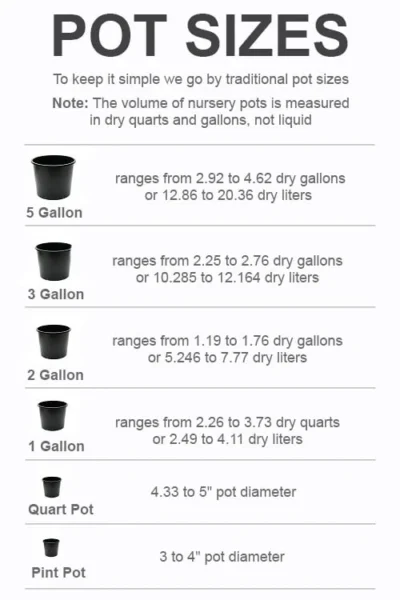
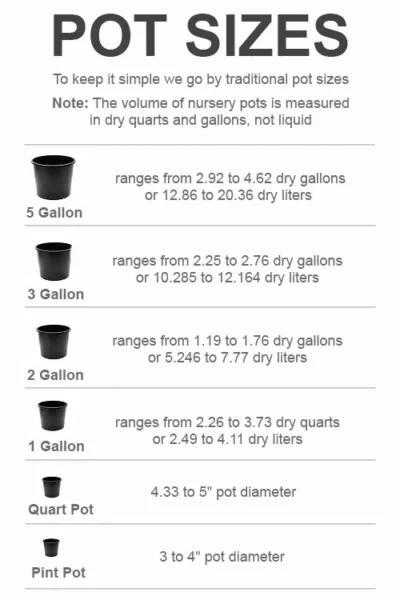
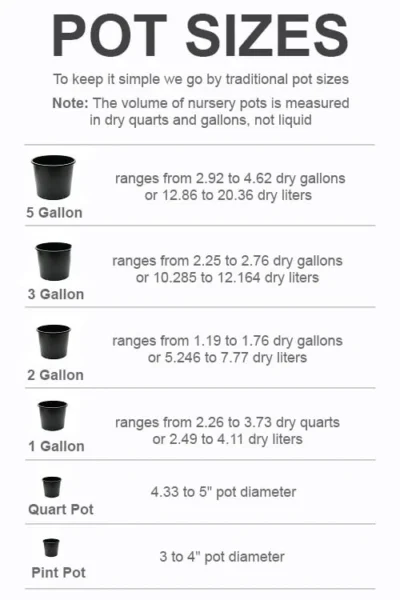
Oregon Grape Holly Mahonia – 1 Gallon Pot
Original price was: $44.97.$31.48Current price is: $31.48.
- Protect Your Information, Shop with Safe Payments
- Friendly, efficient service, always online.
- Secure Shopping with Safe Payments
- Buy with confidence, backed by quality.

Oregon Grape Holly
Mahonia aquifolium
Common Names: Oregon Grape, Hollyleaved Barberry, Tall Oregon Grape, Berberis aquifolium, Holly Leaf Barberry
Plant Details
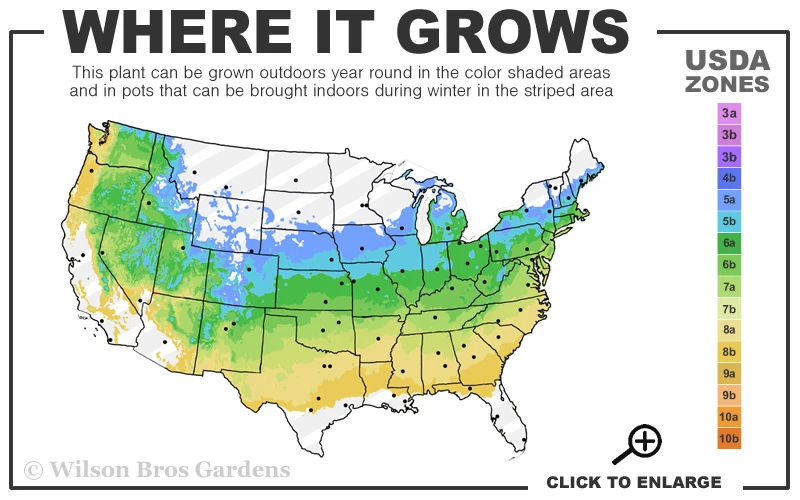
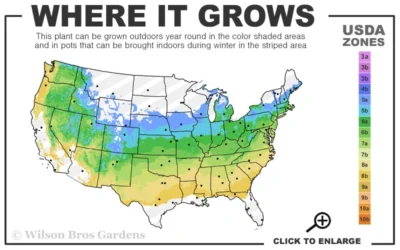
USDA Plant Hardiness Zones: 5a-8b Find Your Zone
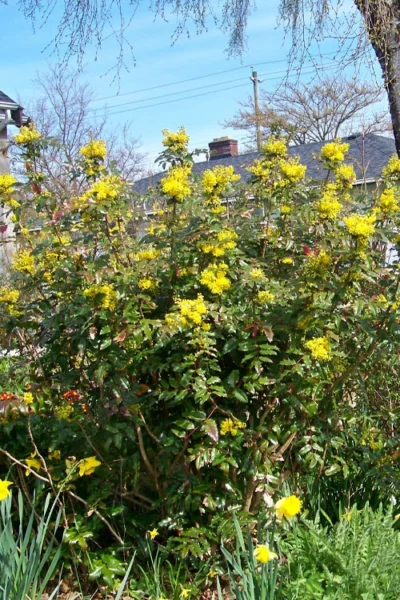
Plant Type: Evergreen Flowering Shrub
Height at Maturity: 4-6′
Width at Maturity: 4-5′
Spacing: 3′ for solid hedges or mass plantings; 7’+ for space between plants
Growth Habit / Form: Upright, Irregular
Growth Rate: Moderate
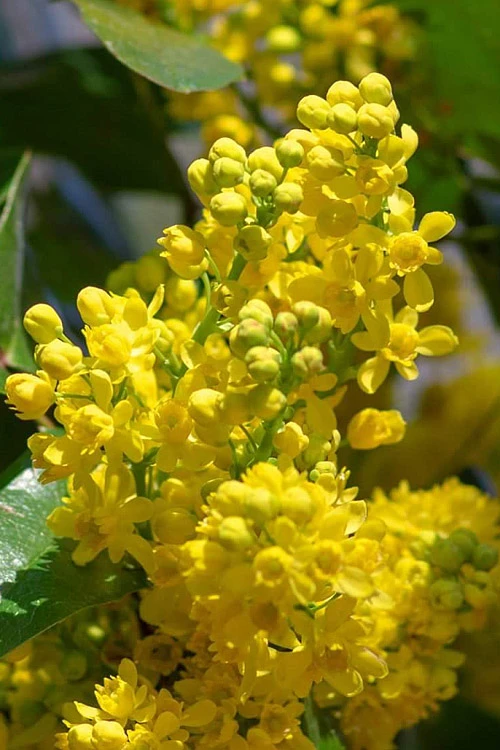
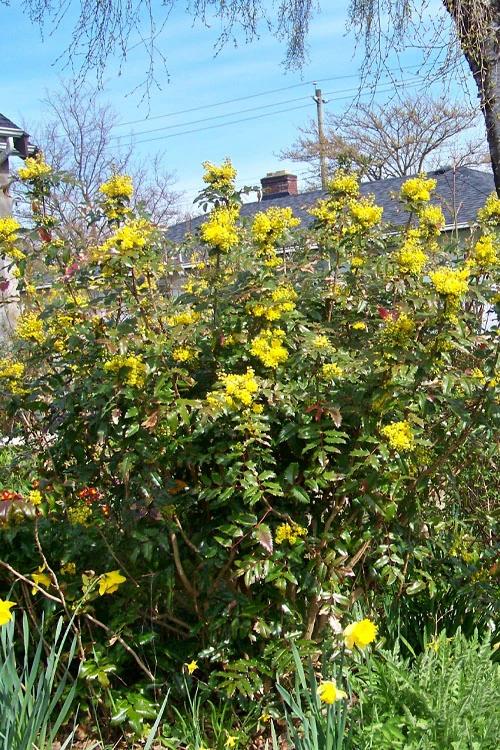
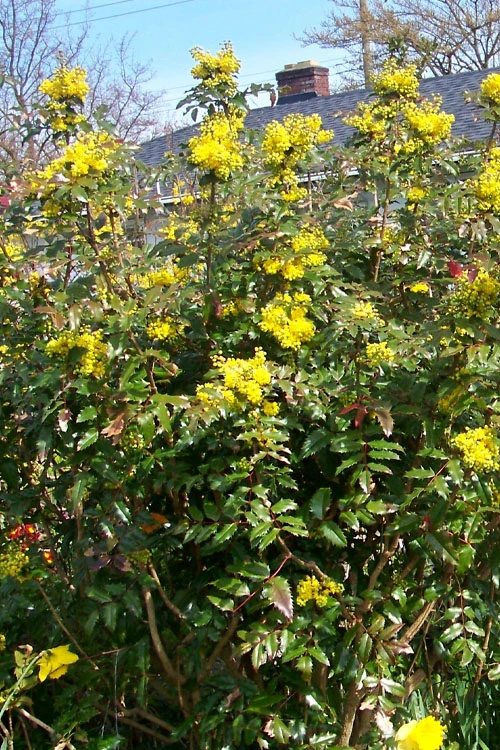
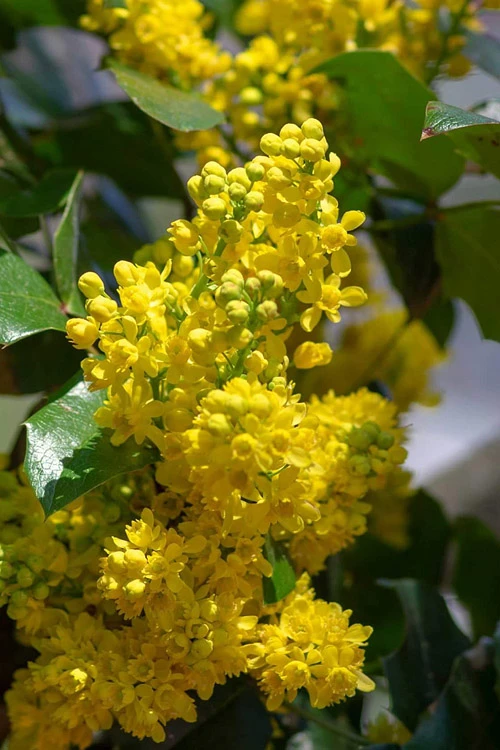
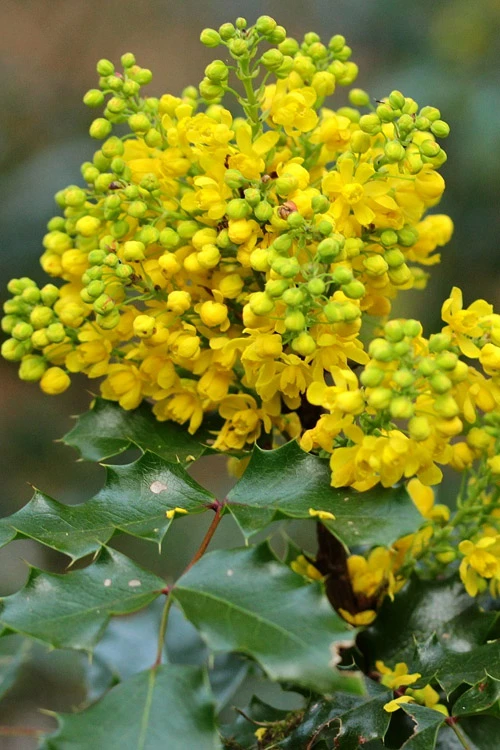
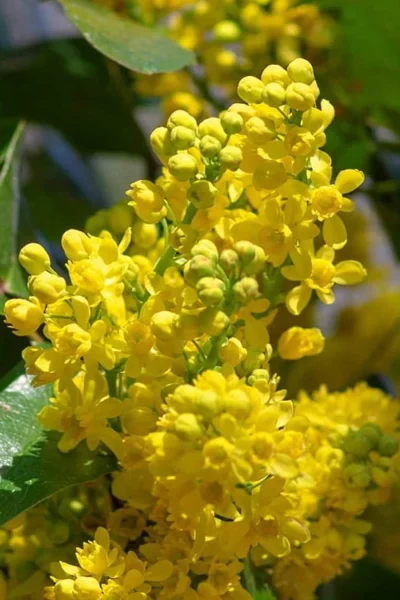
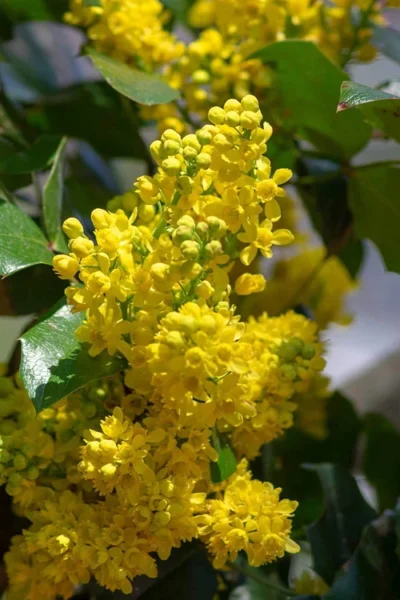
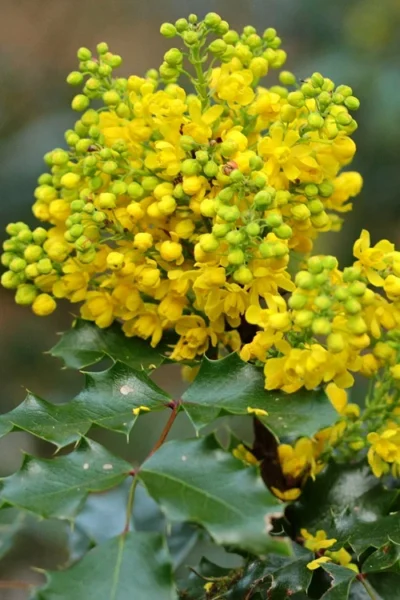
Flower Color: Bright Yellow
Flower Size: Small, 0.5″ in clusters
Flowering Period: Late Winter, Early Spring
Flower Type: Single, in clusters
Fragrant Flowers: Yes, Lightly
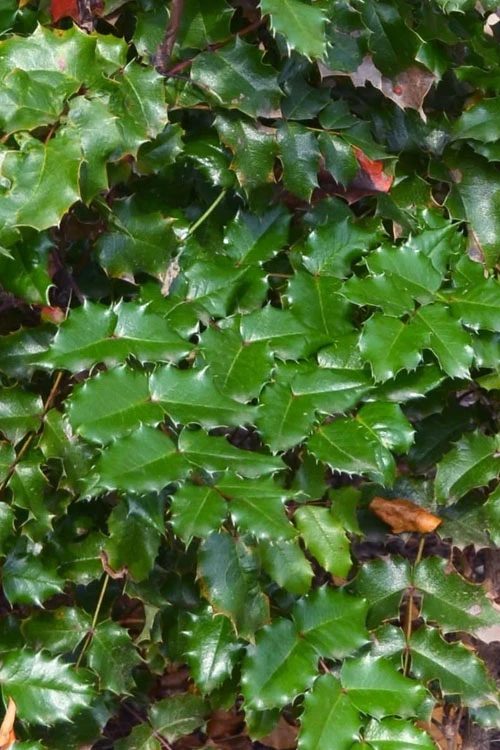
Foliage Color: Dark Green
Fragrant Foliage: –
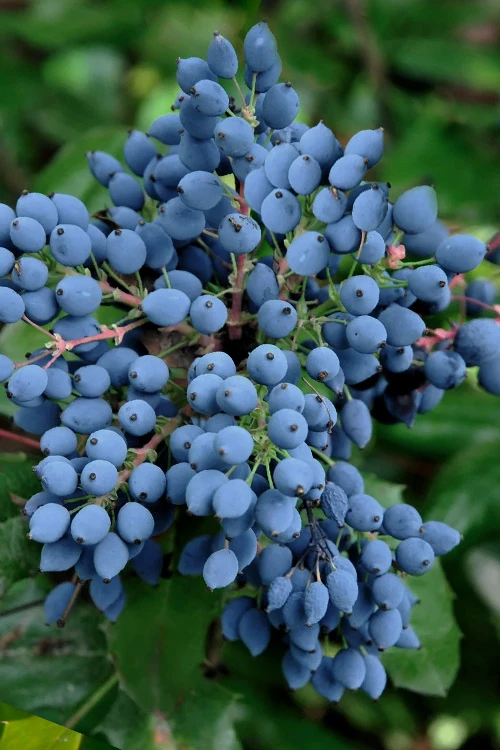
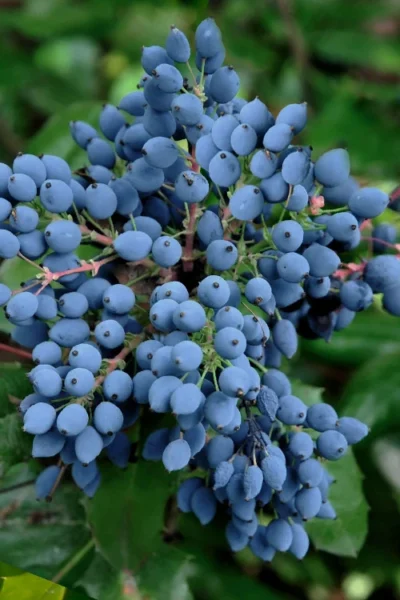
Berries: Yes, grape-shaped, edible
Berry Color: Blue
Sun Needs: Full Sun in cool summer climates; prefers Afternoon Shade All Day Filtered Sun in hot summer climates
Water Needs: Average, low when established
Soil Type: Clay (Amend heavy clay to ensure good drainage), Loam, Sandy, Silty, Rocky
Soil Moisture / Drainage: Moist But Well Drained, drought tolerant when established
Soil pH: 6.0 – 8.0 (Slightly Acid to Slightly Alkaline)
Maintenance / Care: Very Low
Attracts: Beneficial Pollinators, Birds, Small MammalsVisual Attention
Resistances: Cold Temperatures (-20F / Zones 5-8), Deer – more info, Disease, Drought (when established), Heat, Insect
Description
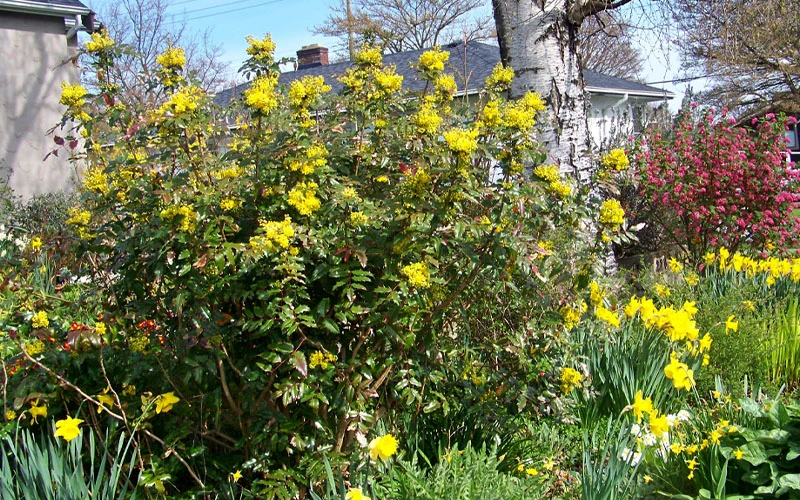
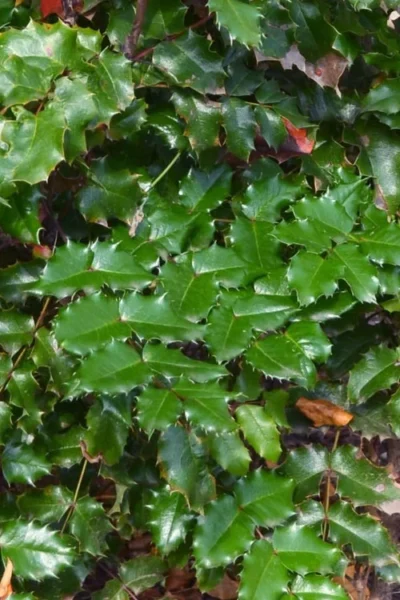
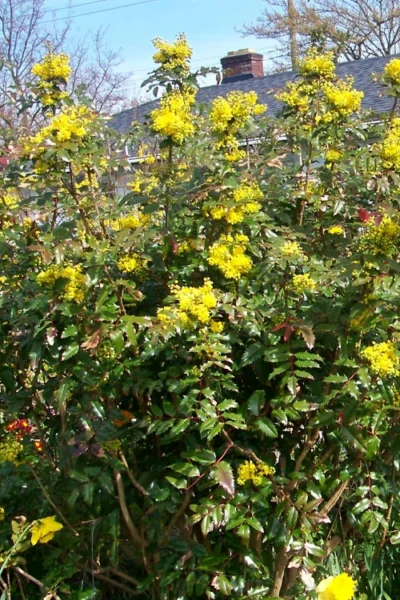
A beautiful North American native shrub, Mahonia aquifolium, commonly known as Oregon Grape Holly, is adored for its distinctive leaves, flowers, and berries. It forms an upright shrub, up to 6 feet tall and 5 feet wide, with bamboo-like stems clad in highly ornamental, holly-like, evergreen, deep green leaves that develop reddish-purple hues during the winter. In late winter to early spring, clusters of fragrant, bright yellow flowers attract early-season pollinators, followed by clusters of blue, grape-like berries that are edible, although they are quite tart. They are best enjoyed cooked, such as in jellies, jams, or pies, rather than eaten raw. The birds and small mammals will also feast on the berries. Easy to grow and low-maintenance, Oregon Grape Holly is ideal as a specimen, grouping, or hedge in partially to fully shaded landscapes, woodland borders, and home foundation plantings. It pairs beautifully with other types of Mahonia, Aucuba, Illicium (Anise), Cast Iron Plant, Hosta lilies, Heuchera, perennial ferns, and other shade-loving plants and trees.
Landscape & Garden Uses
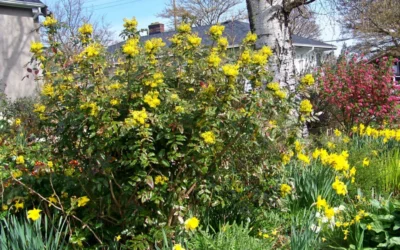
Growing 4 to 6 feet tall and 3 to 5 feet wide, the Oregon Grape Holly is ideal for use as an accent in smaller garden spaces. Where space allows, it can be grouped or planted as a natural hedge. It is also a lovely accent in home foundation plantings and a fine addition to shade gardens, yellow-themed gardens, cottage gardens, rock gardens, Asian gardens, woodland gardens, and tropical look gardens. Consider Creeping Jenny or Vinca minor (Evergreen Periwinkle) as an underplanting.
Suggested Spacing: 2.5 -3′ apart for solid hedges or groupings; 7 feet or more apart for space between plants
Growing Preferences
Oregon Grape Holly is easy to grow in moist, well-drained soil of average fertility and partial to full shade. Morning and/or evening sun is okay, but do avoid afternoon sun. That said, in cool summer climates, it is reported to grow well in full sun. It is drought-tolerant when established and very easy to maintain, requiring little or no pruning.
Plant Long & Prosper!
Meet the Wilson Brothers & Staff
Questions? Contact Us
Be the first to review “Oregon Grape Holly Mahonia – 1 Gallon Pot”
Related products
Sale!
FRAGRANT PLANTS
Original price was: $74.85.$52.40Current price is: $52.40.
Sale!
Original price was: $49.97.$34.98Current price is: $34.98.
Sale!
Original price was: $129.97.$90.98Current price is: $90.98.
Sale!
FRAGRANT PLANTS
Original price was: $152.85.$98.99Current price is: $98.99.
Sale!
FRAGRANT PLANTS
Original price was: $25.78.$18.05Current price is: $18.05.
Sale!
FRAGRANT PLANTS
Original price was: $69.97.$48.98Current price is: $48.98.
Sale!
FRAGRANT PLANTS
Original price was: $89.97.$62.98Current price is: $62.98.
Sale!
FRAGRANT PLANTS
Original price was: $59.97.$41.98Current price is: $41.98.
Reviews
There are no reviews yet.