
Sale!
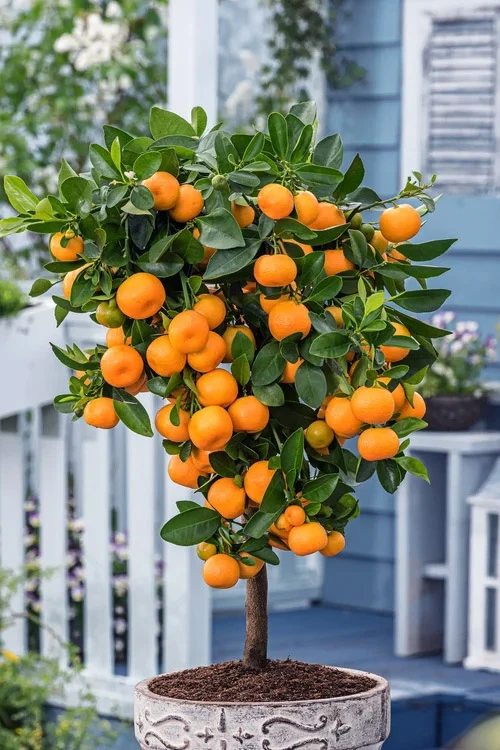
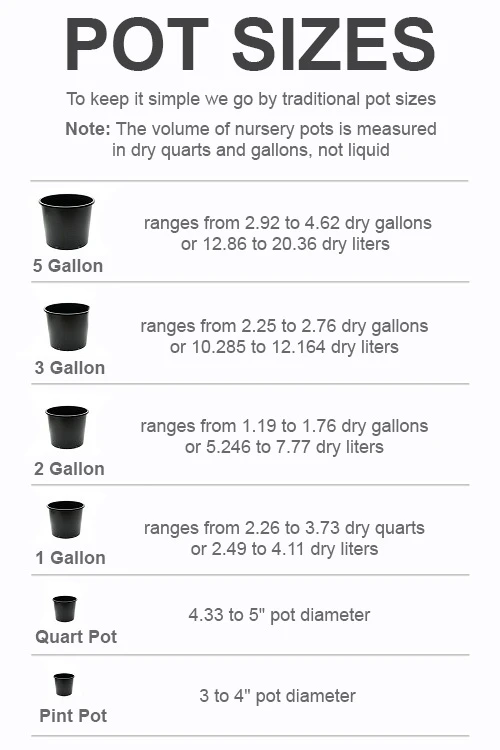
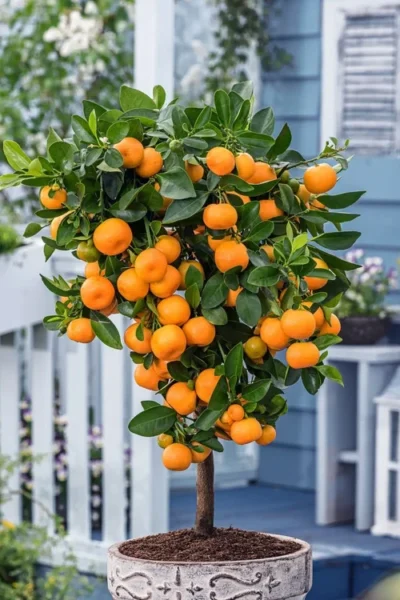
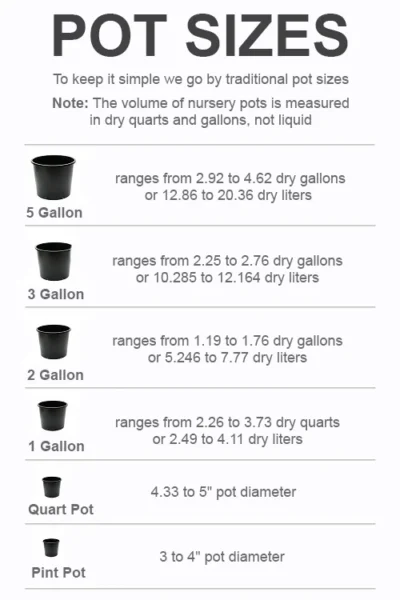
Calamondin Orange Tree – 1 Gallon Pot
Original price was: $79.97.$55.98Current price is: $55.98.
- Protect Your Information, Shop with Safe Payments
- Friendly, efficient service, always online.
- Secure Shopping with Safe Payments
- Buy with confidence, backed by quality.

Calamondin Orange Tree
X Citrofortunella mitis
Other Names: China Orange, Musk Lime, Panama Orange, Philippine Orange, To-kumquat
Plant Details
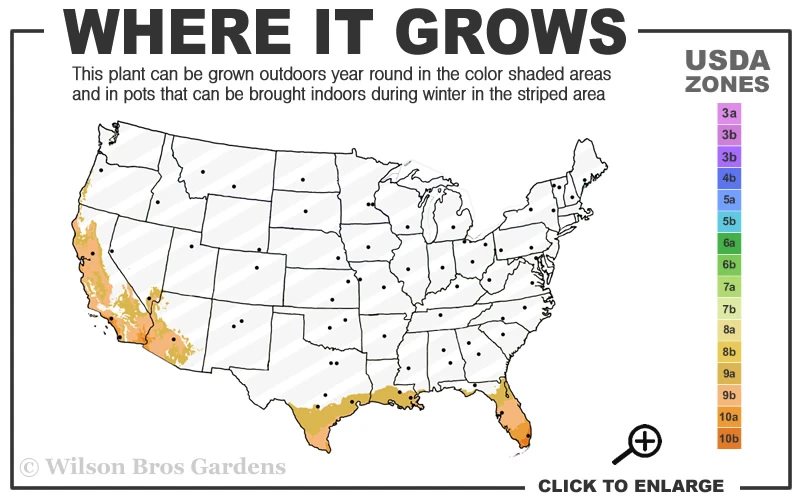
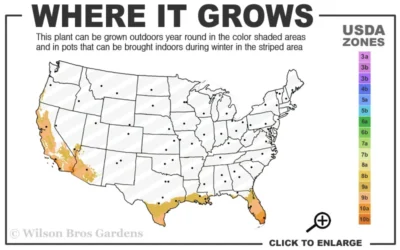
USDA Plant Hardiness Zones: Outdoors year round 9a-11b; In pots that can be overwintered indoors or grown as an indoor houseplant year round north of Zone 9a Find Your Zone
Plant Type: Evergreen Fruit Tree
Pollination: Self-fertile, meaning a single tee will produce fruit with no pollinator required
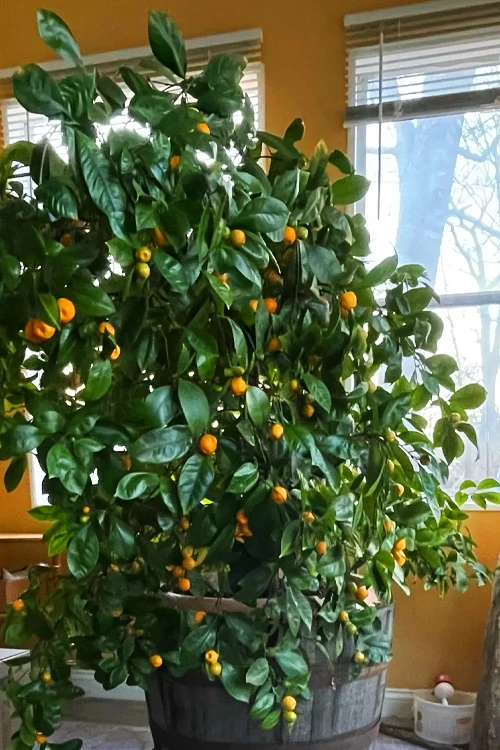
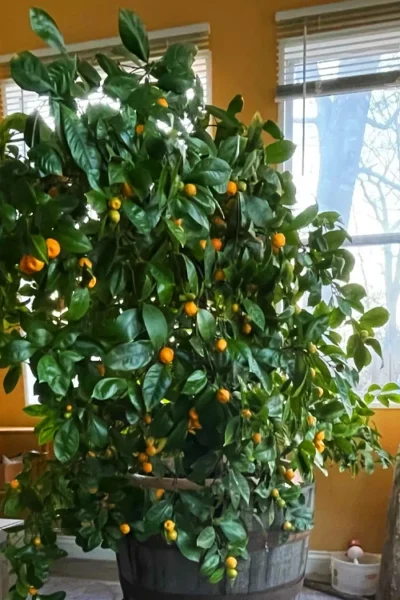
Height at Maturity: 10-15′ growing in the ground outdoors in Zones 9-11; 5-10′ when grown in a container, depending on the size of the pot
Width at Maturity: 8-12′ growing in the ground outdoors in Zones 9-11; 3-6′ when grown in container, depending on the size of the pot
Spacing: Best as a specimen
Growth Habit / Form: Upright, Rounded
Growth Rate: Moderate
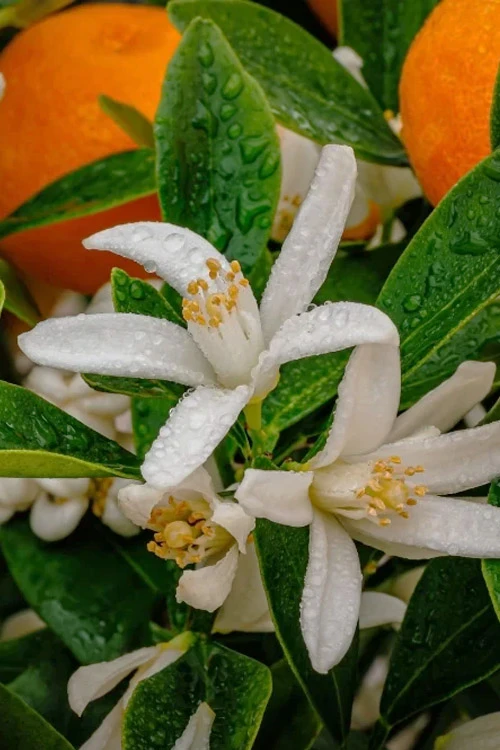
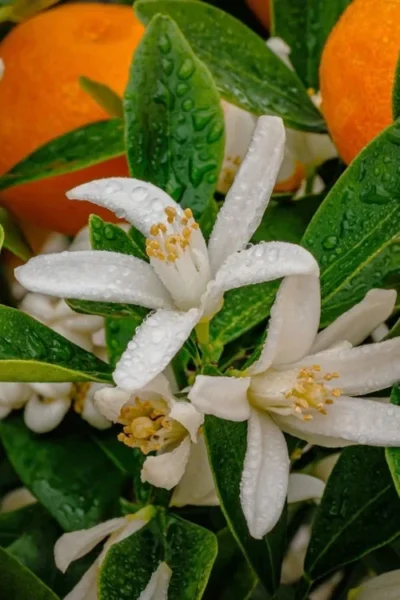
Flower Color: White, wonderfully fragant!
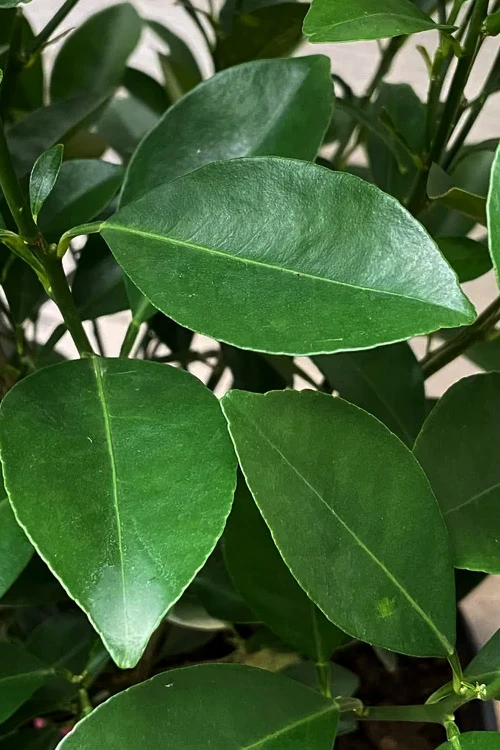
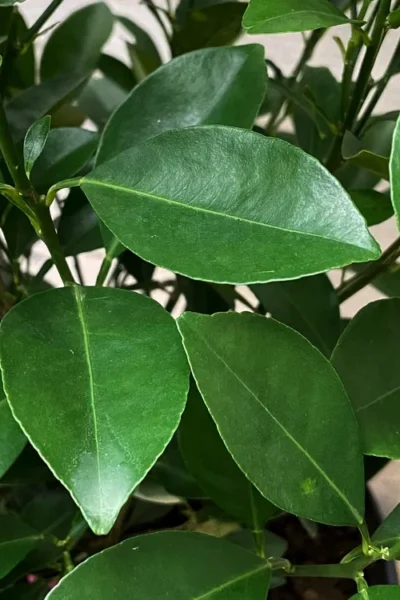
Foliage Color: Dark Green
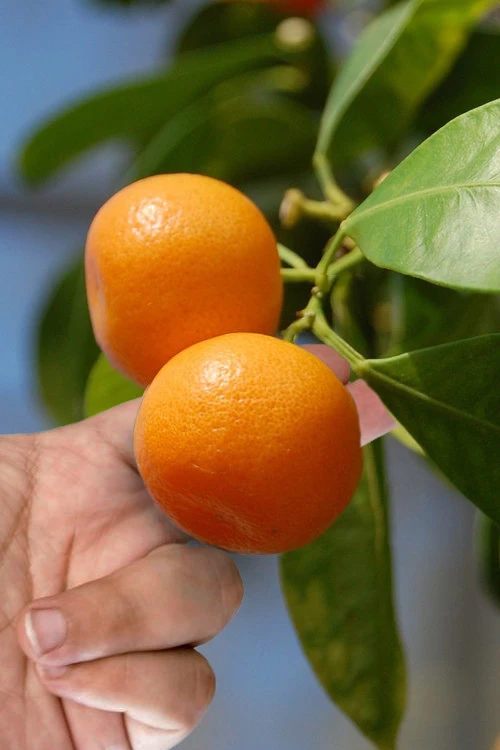
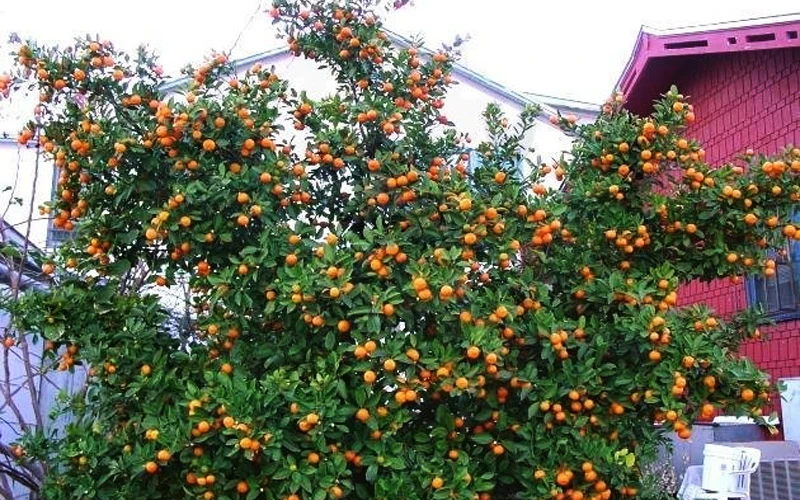
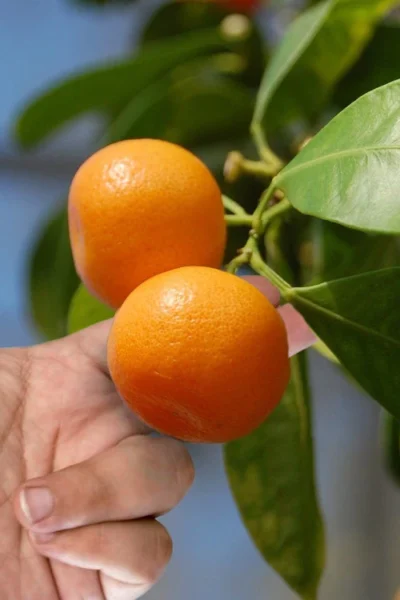
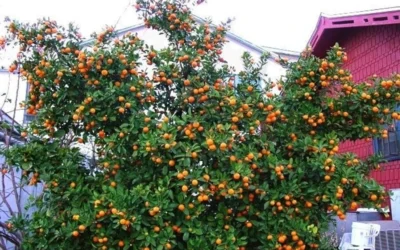
Fruit Color: Golden-Orange upon ripening
Fruit Size: 1.5-2″ diameter
Fruit Taste: Tart, but not as tart or sour as a lemon
Soluble Sugar: –
Fruit Size: 1.5-2″ diameter
Fruit Taste: Tart, but not as tart or sour as a lemon
Soluble Sugar: –
Ripening Period: November to June, fruits take up to a year to ripen on the tree
Sun Needs: Full Sun; 6 hours or more of direct sunlight per day
Water Needs: Average
Soil Type: Clay (well draining), Loam, Silty, Sand
Soil Moisture / Drainage: Moist But Well Drained
Soil pH: 5.5 to 7.0 (Acid to Moderately Acid)
Maintenance / Care: Low
Description
One of the most popular of citrus trees for many good reasons, the Calamondrin Orange is a cross between a tangerine and a kumquat and is both highly oranmental and edible. It is more cold hardy than any other true citrus species. Only the trifoliate orange and the kumquat are more tolerant to low temperatures. It can be grown year-round outdoors in the ground in climates where temperatures don’t drop below 20F, or in containers that can be overwintered indoors or, with adequate light, can kept as a houseplant year-round in colder climates all over the country where freezing temperatures occur. It produces abundant clusters of wonderfully fragrant white flowers that are followed by tiny edible oranges about an inch or two in diameter. The flowers and fruits can appear year round but the fruits are usually seen in more abundance from November to June. The fruits takes nearly a year to ripen so it provides ornamental value in the landscape longer than most citrus. The distinctively sweet-tart fruits are rich in vitamin C and perfect for use in a range of culinary dishes and drinks. The juice of the calamondin can be used like lemon or lime to make refreshing beverages, to flavor fish, to make cakes, marmalades, pies, preserves and sauces, or used in soups and teas. When grown outdoors in the ground Calamondrin is a small tree reaching maybe 15 feet tall when fully grown, and one-third to half that size when grown in containers, depending on the size of the pot.
Landscape & Garden Uses
The Calamondin Orange is ideal for growing in the ground in USDA Zones 9-11 and in containers that can be overwintered indoors in zones north of 9a.
Suggested Spacing: Best as a specimen
Growing Preferences
The Calamindin Orange Tree is easy to grow in a moist but well-drained soil of average fertility and full to mostly sun. Whether growing indoors or outdoors we suggest at least 6 hours of direct sunlight per day for the best flowering and fruit yield. Amend heavy clay soils to improve porosity and ensure good drainage. They like the soil to hold a good supply of water, especially when the fruits are developing in summer, but not so much water that the soil stays constantly soggy or wet, which can be problematic. It thrives best in soil with a pH ranging between 5.5 to 6.5 on the pH scale.
Note: Find helpful advice from our experts under the Planting & Care tab above on desktop monitors or below on mobile devices.
Plant Long & Prosper!
Meet The Wilson Brothers & Staff
Questions? Contact Us!
Be the first to review “Calamondin Orange Tree – 1 Gallon Pot”
Related products
Sale!
FRAGRANT PLANTS
Original price was: $93.97.$65.78Current price is: $65.78.
Sale!
FRAGRANT PLANTS
Silver Leaf Mountain Mint (Pycnanthemum Incanum) – 1 Gallon Pot
Original price was: $34.97.$24.48Current price is: $24.48.
Sale!
FRAGRANT PLANTS
Original price was: $36.97.$25.88Current price is: $25.88.
Sale!
FRAGRANT PLANTS
Original price was: $29.85.$20.90Current price is: $20.90.
Sale!
FRAGRANT PLANTS
Original price was: $25.78.$18.05Current price is: $18.05.
Sale!
FRAGRANT PLANTS
Original price was: $37.97.$26.58Current price is: $26.58.
Sale!
FRAGRANT PLANTS
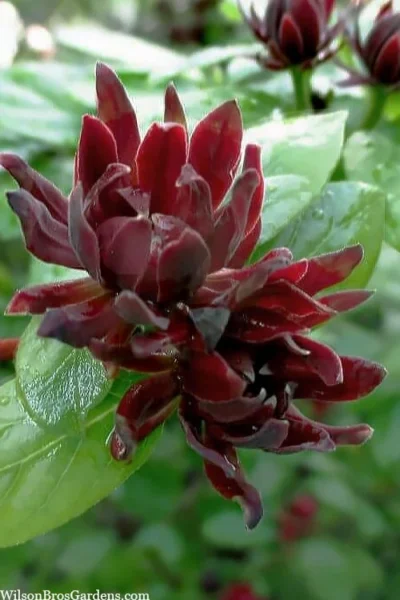
Simply Scentsational Sweetshrub (Calycanthus ) – 2 Gallon Pot
Original price was: $59.97.$41.98Current price is: $41.98.
Sale!
Original price was: $129.97.$90.98Current price is: $90.98.
Reviews
There are no reviews yet.